
Olympiad Math Learning Guide: A Complete Learning Path from Number Sense to Olympiad Competitions | The Key to Improving Your Child’s Math Skills | AME
Published: 10/03/2026
Many parents have heard of Olympiad maths, abacus mental arithmetic, Kumon and early childhood maths.
When children start learning maths, many parents’ first thought is:
👉 “Should my child learn Olympiad math?”
The reason is simple:
- 🏫 Some prestigious schools include similar problems in their interviews
- 🧠 Olympiad maths can develop children’s logical thinking and problem-solving skills
- 🏆 Olympiad students often excel in maths competitions
- 📚 Olympiad maths certificates can sometimes support a school application
Before enrolling in an Olympiad maths course, there are a few important things to understand:
❓ What exactly is Olympiad maths?❓ Is Olympiad maths suitable for every child?❓ What age is best to start?❓ How is Olympiad maths different from school maths?
Many parents have simply “heard that Olympiad maths is great”, but don’t know what skills it actually develops.
🧠 What Is Olympiad Math? It’s Really Training in Mathematical Thinking
“Olympiad math” is short for Mathematical Olympiad.
It originated in Eastern Europe, with the aim of bringing students from around the world together through maths competitions to share mathematical thinking and problem-solving skills.
Unlike regular school math, Olympiad math is about more than just calculations.
It’s more like an IQ test for maths.
Children need to use:
- 🔍 Observation
- 🧩 Reasoning
- 💡 Assumption
- ✔ Verification
Let’s find out.
Some questions don’t even have a set formula.
This article will take you through:
📌 What Olympiad maths really is📌 Different types of Olympiad maths courses📌 Olympiad maths competitions and learning pathways📌 Is Olympiad maths right for your child
We hope to help parents make the best choice for their child when selecting a math course.
🏆 What are some popular maths competitions?
There are many maths competitions around the world, including:
- 🏅 WIMO
- 🏅 AMC8
- 🏅 SASMO
- 🏅 WMI
- 🏅 GMEC
Different competitions have different features. For example:
📊 Some focus on problem-solving techniques🧠, while others emphasise mathematical thinking
That’s why the courses also differ in their approach.
🚀 Why are more and more parents enrolling their children in Olympiad maths?
More and more parents have introduced their children to Olympiad maths in recent years, for more than one reason.
🎯 Common learning goals
1️⃣ Develop Logical Thinking
Olympiad maths problems often involve several steps of reasoning, helping children develop clear thinking.
2️⃣ Develop Problem-Solving Skills
Many Olympiad maths problems don’t have a formula, so children need to keep trying different approaches.
3️⃣ Build Resilience
Some problems take repeated thought to solve. This helps children develop patience and perseverance.
4️⃣ Prepare for Prestigious School Interviews
Some prestigious schools include questions on:
- Logic puzzles
- Visual Puzzle
- Reasoning questions
Very similar to Olympiad-style questions.
5️⃣ Take part in maths competitions
Many students take Olympiad maths classes to prepare for international maths competitions.
🏆 Comparison: Local Competition-Based vs International Thinking-Based Olympiad Math
| Local competition-focused Olympiad maths | International Thinking-Based Olympiad Math |
|---|---|
| Aiming for competition results | Focuses on Thinking Skills |
| 📄 Practise with past papers | 🌍 Use English-language learning materials |
| ⏱ Solve problems faster | 🧠 Questions similar to maths IQ puzzles |
| 📊 Become familiar with competition question types | 🔍 Focuses on number sense and reasoning skills |
| Like preparing for public exams | Suitable for: International school / English-primary students |
🔢 Why is number sense more important than calculation?
Many parents believe:
Fast calculations = good at maths
Not necessarily.
What really matters is:
- Number sense
- Understanding Relationships
- Logical reasoning
If children only know formulas by heart, they can easily get stuck when a problem is presented in a new way.
🧸 How Can You Build Number Sense in Everyday Life?
Number sense can be developed through everyday activities.
For example:
Don’t just ask children to memorise:
2 + 8 = 10
You could try:
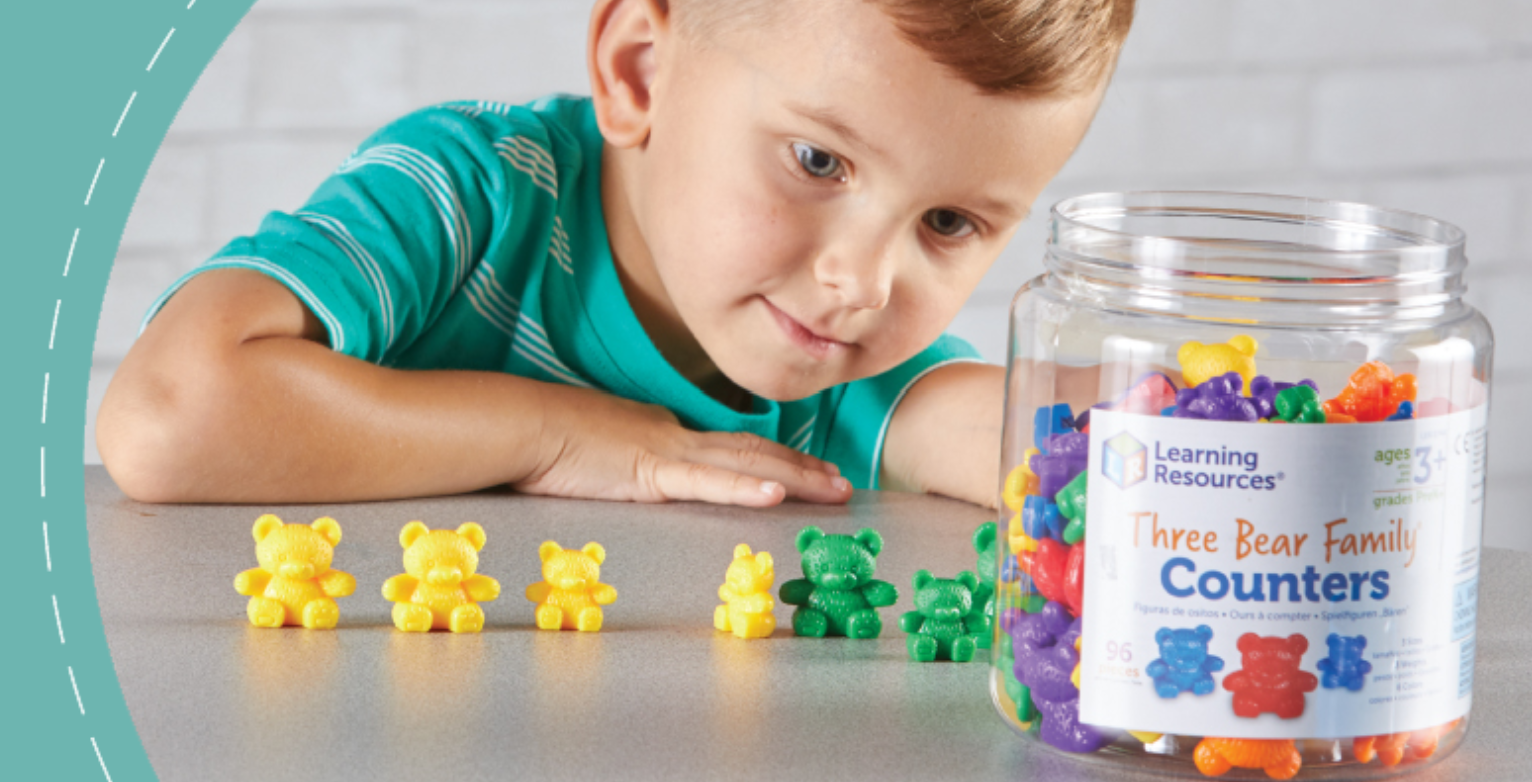
Use 10 teddy bears.
Help children:
🧸 Give one teddy bear to Dad 🧸 Then give one to Mum
Your child will see:
10 → 9 → 8
Although ownership changed, the total remained the same at 10.
This helps children understand both:
- Changes in quantity
- Addition and subtraction relationships
- Number sense
This leaves a deeper impression than memorising formulas.
Is this one too easy? Let’s look at another.
🌟 Is Olympiad maths only for top students?
Many parents ask:
👉 Is Olympiad maths only for “gifted students”?
Actually, no.
The greatest value of math olympiad lies in:
- 🧠 Develop problem-solving skills
- 💡 Spark curiosity
- 💪 Develop problem-solving skills
With the right approach, many children can benefit from Olympiad math.
🤔 Frequently asked questions from parents
Parents often have many questions when considering math olympiad classes, such as:
- ❓ Can children with average maths grades learn Olympiad maths?
- ❓ Is Olympiad maths suitable for girls?
- ❓ Does abacus mental arithmetic help with Olympiad maths?
- ❓ Will Olympiad maths affect school maths?
In fact, every question is connected to the way a child learns.
📖 Related Reading
If you’d like to learn more about Olympiad maths and choosing a course, read the articles below 👇
🧠 What is Olympiad maths? Why are more and more parents enrolling their children?
Many parents have heard of “Olympiad maths”, but it isn’t simply “harder maths”. It’s a way of helping children develop thinking and problem-solving skills.
While school math focuses on calculation procedures, math olympiad problems are more like IQ tests for math, requiring children to:
- 🔍 Observation
- 🧩 Reasoning
- 💡 Assumption
- ✔ Verification
Find the answer, step by step.
Many parents also wonder:
- 👶 What age is best to start Olympiad maths?
- 📚 Can children learn Olympiad maths on their own?
- 🏆 Which international Olympiad maths competitions are worth entering?
- 🎓 Should my child enroll in a specialized math olympiad course?
👉 Read the complete guide: What is Olympiad maths?
🌟 A Real Olympiad Maths Story: How Did a Restless Child Become a North American Maths Champion?
Many parents worry:
“My child can’t sit still and has a short attention span. Does that mean math isn’t right for them?”
But in one of our real-life Olympiad maths stories, a child at the age of 3:
- 🌀 Full of energy
- ⏳ Concentration tends to vary with mood
- 🤹 Often wants to try different approaches in class
With the right learning approach and thinking skills training, she gradually built confidence in math and went on to achieve excellent results in international math competitions 🏆.
This story reminds us:
✨ Some children may seem unable to sit still, but their minds are simply working faster than adults realise.
👉 Read the full case study
🌟 Real Olympiad Math Case Study: How a Harrow Student Found His Own Math Rhythm
Many parents ask:
“🤔 Can children with different personalities also thrive in Olympiad maths?”
In our real-life Olympiad maths story, Brandan from Hong Kong International School is a great example.
- 🎵 Excellent musical ability
- 🧠 A thoughtful, slow-to-warm-up learner
- ⏳ Tends to pause and think before answering a difficult question
Through systematic training, he gradually learned to use the 48 Olympiad problem-solving tools we teach and, by observing how his classmates solved problems, slowly developed a way of thinking of his own.
Even more surprisingly,
When Brandan later took part in math competitions, he achieved some excellent results 🏅.
👉 How did this Harrow student go from a slow-to-warm-up learner to building his own strengths in Olympiad maths?
👉 Read the full “Real-life Olympiad Maths Story” to learn about his learning journey and the breakthrough that made all the difference.
📘 What are the benefits of learning maths in English? Many parents overlook…
Many parents are taking an interest in English-language math, but the real reason may not simply be that “it’s needed for English secondary school.”
English-language maths actually has several important advantages:
- 🌍 Access free learning resources from around the world
- 📚 Understand mathematical terms in English more easily
- 🏫 Feel more confident with maths in English-medium schools
- 🧠 Opens the door to more international maths competitions
But what many parents don’t know is:
👉 Chinese and English maths each have their strengths.
With the right approach, children can even develop two different modes of mathematical thinking at the same time.
👉 Read the full guide: What’s So Good About English-Language Math?
🧩 Olympiad maths practice problems: A key step in developing children’s maths skills
Many parents think Olympiad math problems are only for children who are “especially gifted,” but in reality, many children build strong mathematical thinking step by step with the right practice. Starting with easier problems and gradually moving on to harder ones, children often discover the fun and challenge of math as they solve problems.
In this article, we’ve put together Olympiad math practice problems at different levels, including:
- ✏️ Primary 1 Olympiad maths questions: building number sense and observation skills
- 🧠 Olympiad maths problems for Grade 2: An introduction to simple logical reasoning
- 🔍 Olympiad maths problems for Grade 3: Developing systematic problem-solving skills
- 🚀 Primary 5 Olympiad Math Problems: Take on More Advanced Strategies
We also offer 📥 downloadable Olympiad math problems and 🎥 video solutions, so parents can think through and discuss them with their children at home.
But there’s a classic Olympiad math problem that looks simple yet stumps many children. Many parents are puzzled by it the first time they see it…
👉 Want to see if your child can solve this problem? View the full problem and solution.
❤️ The most important thing: Keep your child interested
Strong mathematical skills in the long run don’t come from endless drilling.
But it comes from:
✨ Curiosity✨ Exploration✨ Thinking
When children are willing to think for themselves, math becomes more than just homework.
It’s an exciting journey of discovery.
Once children have built a strong number sense, many parents consider having them take on Olympiad maths training. To learn how Olympiad maths develops children’s logical thinking and problem-solving skills, read our “Olympiad Maths Learning Guide: A Complete Learning Path from Number Sense to Olympiad Competitions.”
Other Articles:
- What is Olympiad maths, and why are more and more parents enrolling their children?|Discover the benefits, the best age to start and what Olympiad maths classes involve
- 🎯 Abacus mental arithmetic vs Olympiad maths vs maths game-based programmes for young children|A must-read comparison guide for parents 🎯Which maths class is best for young children? A complete guide to game-based maths programmes (a must-read for parents)
- 【What Is Number Sense?】A Must-Read for Parents|5 Practical Tips + Number Sense Games to Boost Your Child’s Maths Skills
- 🎯Which maths class is best for young children? A complete guide to play-based early childhood maths courses (a must-read for parents)
- 🚀 Aryanna|A 3-Year-Old Math Prodigy Who Won North America’s No. 1 Spot on Her Way to DGJS?
- What Is English Maths? A Complete Guide to Its Benefits, Primary School Questions and Practice 🧠✏️
- International School Maths|Hong Kong’s Only English Olympiad Maths|International School Math
- 🌟 Brendan’s Math Breakthrough at Harrow International School Hong Kong|The Key to Nurturing Natural Talent
- 【Olympiad Maths Questions】Free Download of Olympiad Maths Papers + Video Explanations|Free Practice Questions for Primary 1, 2, 3 and 5
- [Parent-Child IQ Puzzles] 2026 IQ Puzzles for Children|IQ puzzles for primary school students + challenging IQ puzzles to get kids thinking on their feet!
- Is your child nearly good at maths? 5 tips to build number sense and strengthen the foundations