🎯 Abacus Mental Arithmetic vs. Olympiad Math vs. Early Childhood Math Games Courses | A Must-Read Comparison Guide for Parents
Updated: 17/02/2026
Many parents are often confused when choosing a math course for their children: should they choose mental arithmetic, Olympiad, or the popular early childhood math game course? 🤔
These three courses all sound like they're related to "mathematical ability," but in fact, their training focus, learning methods, and suitable age groups are completely different.
Choosing the wrong approach might make children struggle and resist learning math; however, choosing the right one can greatly improve their number sense, confidence, and interest in learning. ✨ Below is a clear comparison of "Abacus Mental Arithmetic vs. Olympiad Math vs. Early Childhood Math Games" to help parents make the best choice for their children.
🧮 What is mental arithmetic?
Mental abacus calculation is a training method that combines "abacus calculation mental calculation". By moving the abacus, children are gradually trained to imagine the image of the abacus in their minds and perform high-speed calculations.
The main features of abacus mental arithmetic
- Emphasis on speed and accuracy
- Repeat a lot of practice
- Suitable for the four arithmetic operations (addition, subtraction, multiplication, and division).
Benefits of mental arithmetic 👍
- Improve computing speed
- Training focus
- Strengthen memory
Limitations of mental arithmetic ⚠️
- Prefers "mechanical" operation
- It offers limited help in "understanding mathematical concepts".
- It's easy to just memorize the process without understanding the underlying principles.
🎲 What is a preschool math game course?
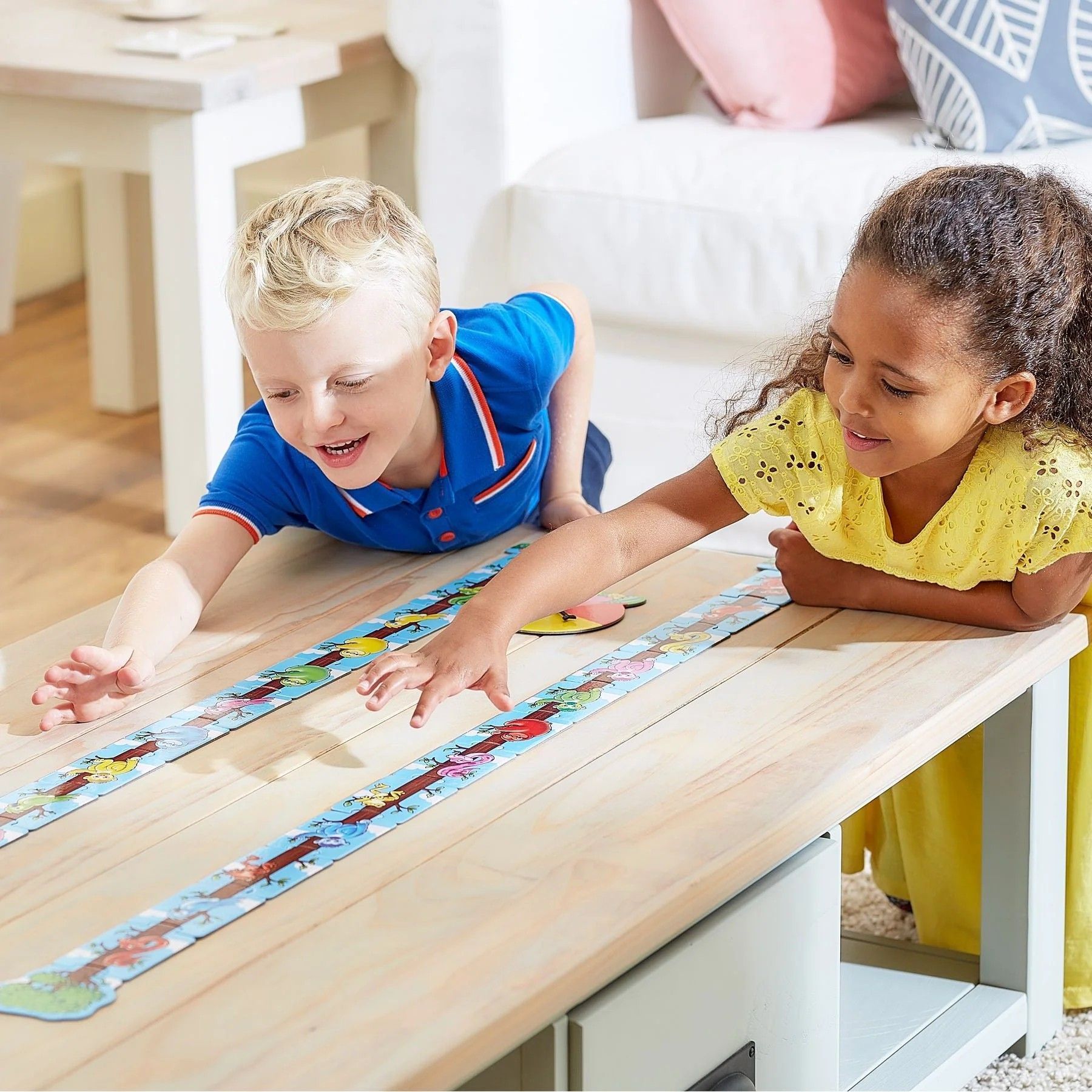
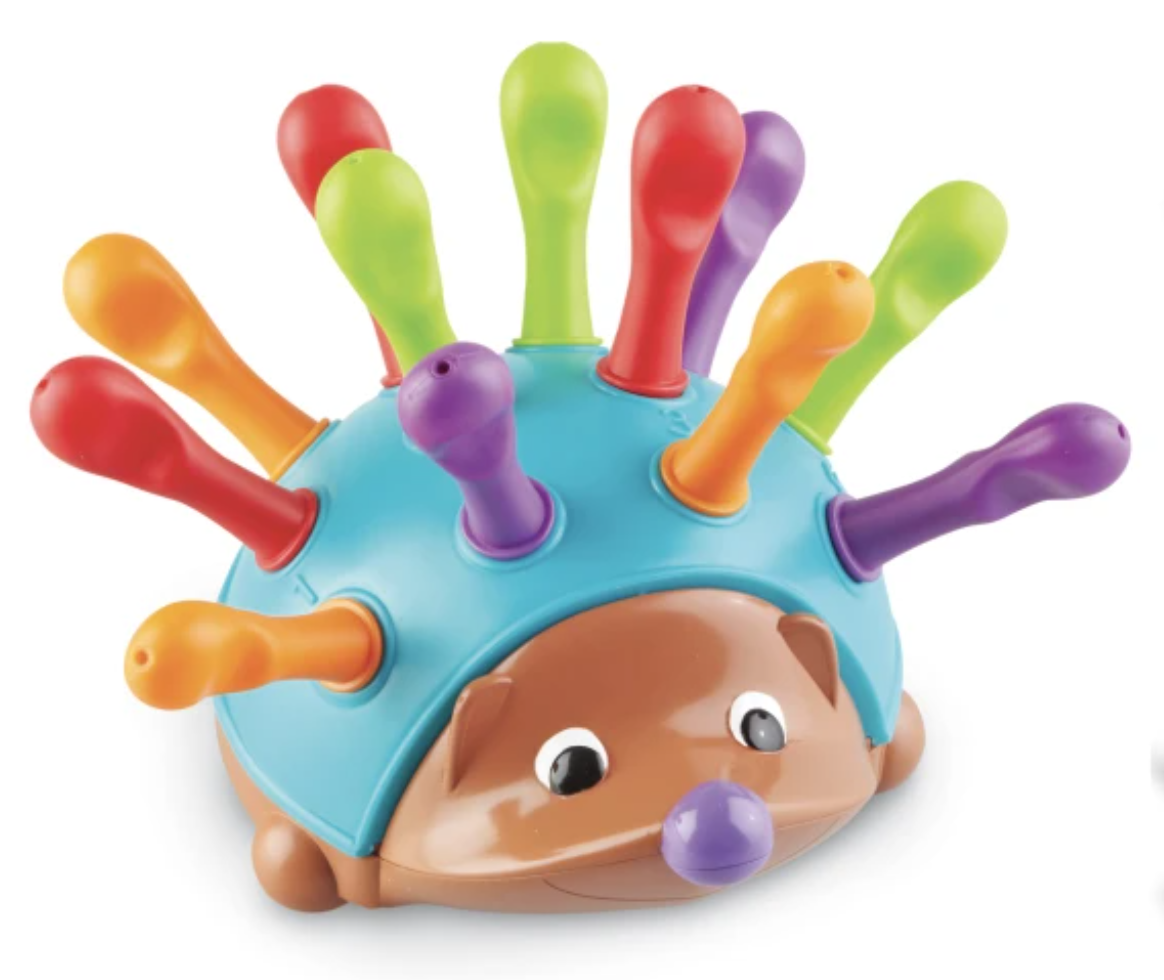
Early childhood math games curriculum is based on the core concept of "learning through play". Through games, stories and teaching aids, children can naturally develop a sense of numbers.
Features of Early Childhood Math Games Curriculum
- No exam pressure
- There is no standard answer.
- Emphasis on understanding and exploration
- Multisensory learning (seeing, touching, playing)
Benefits of math games for young children💡
- Develop true number sense
- Enhance learning motivation
- Develop logical thinking
- Not afraid of math, not resistant to learning
Common learning content
- Quantity concepts (more and less)
- Classification and sorting
- sense of space
- Logical reasoning
- Problem-solving ability
🧠 What is an Olympiad math course?
Olympiad Mathematics is a high-level mathematical thinking training program. The focus is not on how fast you can calculate, but on training children "how to think".
Features of Olympiad Math Course
- The questions emphasize logic and reasoning.
- There is no fixed formula
- A problem can have multiple solutions.
- The focus is on the "idea" rather than the "answer".
Benefits of Olympiad Math 🌟
- Developing mathematical thinking skills
- Improve problem-solving skills
- Helpful for gifted education and college admissions
- Develop abstract thinking and logical reasoning
The challenge of math olympiad 😵
- It is not advisable to force learning too early.
- Without proper assistance, it is easy to feel frustrated.
- High pressure on children with weak foundations
🏆 Ultimate Comparison Table of the Three Courses
| Course Types | Best age | Training Focus | Which type of child is it suitable for? |
|---|---|---|---|
| Abacus mental arithmetic | 6 years and older | Calculation speed, patience, and memory | Pursuit of speed |
| Olympiad Math or English Olympiad Math | 5 years and older | Logical thinking | Gifted or highly motivated |
| Early Childhood Math Games | 3–6 years old | Number sense understanding | Most children |
🎯 The most common mistakes parents make
❌ Thinking the harder the better ❌ Starting math olympiad too early ❌ Making arithmetic speed the most important criterion ❌ Ignoring whether the child truly understands
✅ Recommended Ideal Learning Path
The healthiest way to learn math is actually:
Early childhood math games → Developing number sense → Then choose abacus mental arithmetic or advanced math.
Instead of from the beginning:
Rigorous abacus mental arithmetic or hardcore math olympiad?
Without number sense, children are merely memorizing answers; with number sense, children truly understand mathematics. ❤️
🎉 Conclusion: Mathematics isn't about speed, it's about understanding.
Truly good math education is not about training children to be "counting machines," but about enabling them to:
- Understand the problem
- I think of a method
- Explain the answer
- Enjoy thinking
Children like this will go further in life, whether they study abacus mental arithmetic, Olympiad math, early childhood math games, or even STEM. 🚀
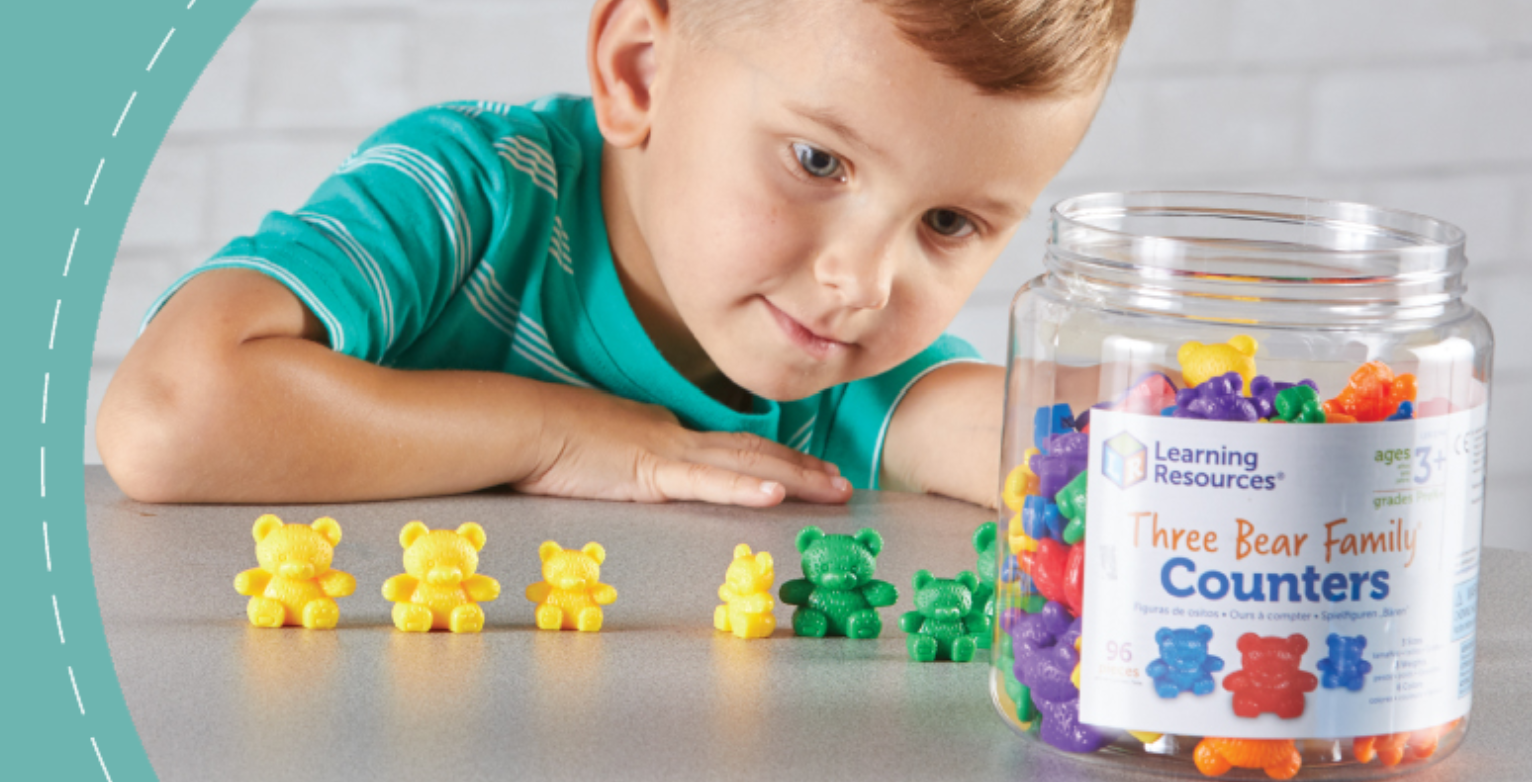
📌 "Visible Math"
Early childhood math game-based courses (such as Active Math Player) originate from the US CCSS curriculum framework, and their core concepts are:
Through manipulative visual aids, children experience: hands-on manipulation → semi-abstract learning → abstract symbols.
Not memorizing the formula, but “understanding it firsthand”.
🧸 Example 1: Make 10 calculation method (8 4)
Place 8 teddy bears on the left and 4 teddy bears on the right.
🧸🧸🧸🧸🧸🧸🧸🧸 | 🧸🧸🧸🧸
Apply the "Make 10" principle: First, gather 10 bears, then the left side becomes 10, and the right side has 2 left.
🧸🧸🧸🧸🧸🧸🧸🧸 🧸🧸 | 🧸🧸
The answer is naturally 12.
PS In fact, all people who are good at math understand "first to take ten", Americans just design this concept, so that children can understand at a glance.
🔁 Example 2: Commutative Property
Question: 3 1 = ___ 3
Using the principle of the “law of exchange”: the approach is not to memorize, but to:
Place 3 brown bears on the left and 1 polar bear on the right.
🐻🐻🐻 | 🐻❄️
Place one polar bear on the left side of the next row, and three brown bears on the right side.
🐻❄️ | 🐻🐻🐻
Children will naturally discover that: 3 1 = 1 3
Needless to remember, it's "seeing".
📌 What are the differences between abacus and mental arithmetic?
Many parents confuse "abacus" with "mental arithmetic," but the two are actually quite different:
| project | Abacus | mental arithmetic |
|---|---|---|
| tool | Real calculation | Mental imagination |
| Calculation method | Beads | Virtual imagination |
| Key Points | Operating skills | Abstract thinking |
Common problems in mental arithmetic 🧠
Mental arithmetic is essentially children using sound or images to abstractly calculate changes in numbers, for example:
3 0 = 0 (Memorize using sound)
But if it is transformed into:
3 pigs 🐻🐻🐻 0 pigs = still 3 pigs 🐻🐻🐻
Children are less likely to make mistakes because concrete images are easier to understand than abstract symbols. This is why "play-based math" is especially important for young children.
📌 At what age is it most suitable to learn abacus mental arithmetic?
General recommendations:
- Best age: 5–8 years old
- Too early (3–4 years old): Finger muscles are not yet fully developed
- Too late (after age 10): The effect is not obvious.
Abacus mental arithmetic is best suited for: 👉 Children with a solid foundation, high concentration, and a love for repetitive practice.
Not suitable for: 👉 Children who resist practice, are easily bored, or are easily distracted.
📌 What is the highest level of mental arithmetic?
Many parents ask, "What is the highest level in abacus mental arithmetic?" The common system divides it into levels 1 to 10 (or higher), with the highest being "teacher training level/coach level".
However, it's important to note that: 👉 Higher levels represent calculation speed and proficiency, not actual mathematical understanding.
Other articles:
🧠 What is Olympiad Math? Why are more and more parents having their children learn Olympiad Math?
🌟 Real-life case study in math olympiad: A restless child becomes the North American math champion?
🧮 Abacus Mental Arithmetic vs. Olympiad Math vs. Early Childhood Math Courses | The Most Common Mistake Parents Make
🌟 Real-life case study of math olympiad: How Harrow students find their own mathematical rhythm
📘 How good are your English and math skills? Many parents actually overlook this…
🧩 Olympiad Math Practice: A Key Step in Improving Children's Math Skills