[Complete Collection of Four-Character Idioms] 100 Essential Four-Character Idioms for Primary School Students | 4-Character Idiom Dictionary - Simple Four-Character Idioms (Hong Kong Edition)
Updated: 10/02/2026
Four-character idioms are a crucial foundation for primary school students' Chinese language learning, playing a vital role in reading comprehension, writing, and oral communication. For early primary school students, the stories and meanings behind idioms are relatively abstract, thus requiring a gradual learning process through "Common Four-Character Idioms" and "Simple Four-Character Idioms." This article integrates a practical "Four-Character Idiom Dictionary," providing traditional Chinese versions of four-character idioms best suited for primary school students. It includes four-character word lookup and examples of four-character idioms for praise, specifically tailored to the Hong Kong curriculum requirements, allowing children to easily master commonly used four-character phrases and improve their writing and expression skills.
This book features 100 carefully selected four-character idioms that every primary school student should learn, complete with detailed explanations, example sentences, and usage instructions. Divided by difficulty level to match learning progress, it helps children easily master Chinese idioms.
Parents can use the following five effective methods to help children learn idioms more easily and enjoyably:
1. Read idiom stories
Parents can choose idiom storybooks suitable for elementary school students. These stories help children understand the meaning of idioms in vivid contexts. Idiom stories are not only fun and engaging, but they also make it easier for children to remember idioms!
2. Idiom Chain Game
In a fun family game, let your children participate in idiom chain games, starting with one idiom and continuing with the last character to form the next idiom. This method not only helps children memorize more idioms but also enhances their language skills while having fun.
3. Idiom Story Creation
Parents can encourage their children to choose an idiom and write a short story about it. This creative activity can deepen their understanding of idioms while improving their creativity and writing skills. It's also a great way to cultivate a feel for idioms!
4. Idiom Mini-Games
Interactive teaching tools such as idiom matching or fill-in-the-blank games can help children learn idioms through play, making the learning process more fun. For example, "idiom matching" can help children understand the meanings and usage contexts of different idioms.
What is Math Olympiad? A teacher explains four reasons why Math Olympiad makes children "smarter".
0
We encourage children to participate in various math competitions around the world. In addition to winning awards and creating a more impressive portfolio, it also allows children to experience the big stage, boosts their self-confidence and resilience, and accumulates international math competition experience, which is of great help for future school admissions or job interviews.
We offer various international math competition courses and help participating children prepare for international math competitions. Interested children should register as soon as possible. The program includes 16 lessons to prepare for competitions and 24 lessons to help children win medals! 🏆🥇🥈🥉
Last year, the AME Diamond Team defeated 3,369 top math students in North America to win the No. 1 spot in North American math competitions.
Numeric Idioms
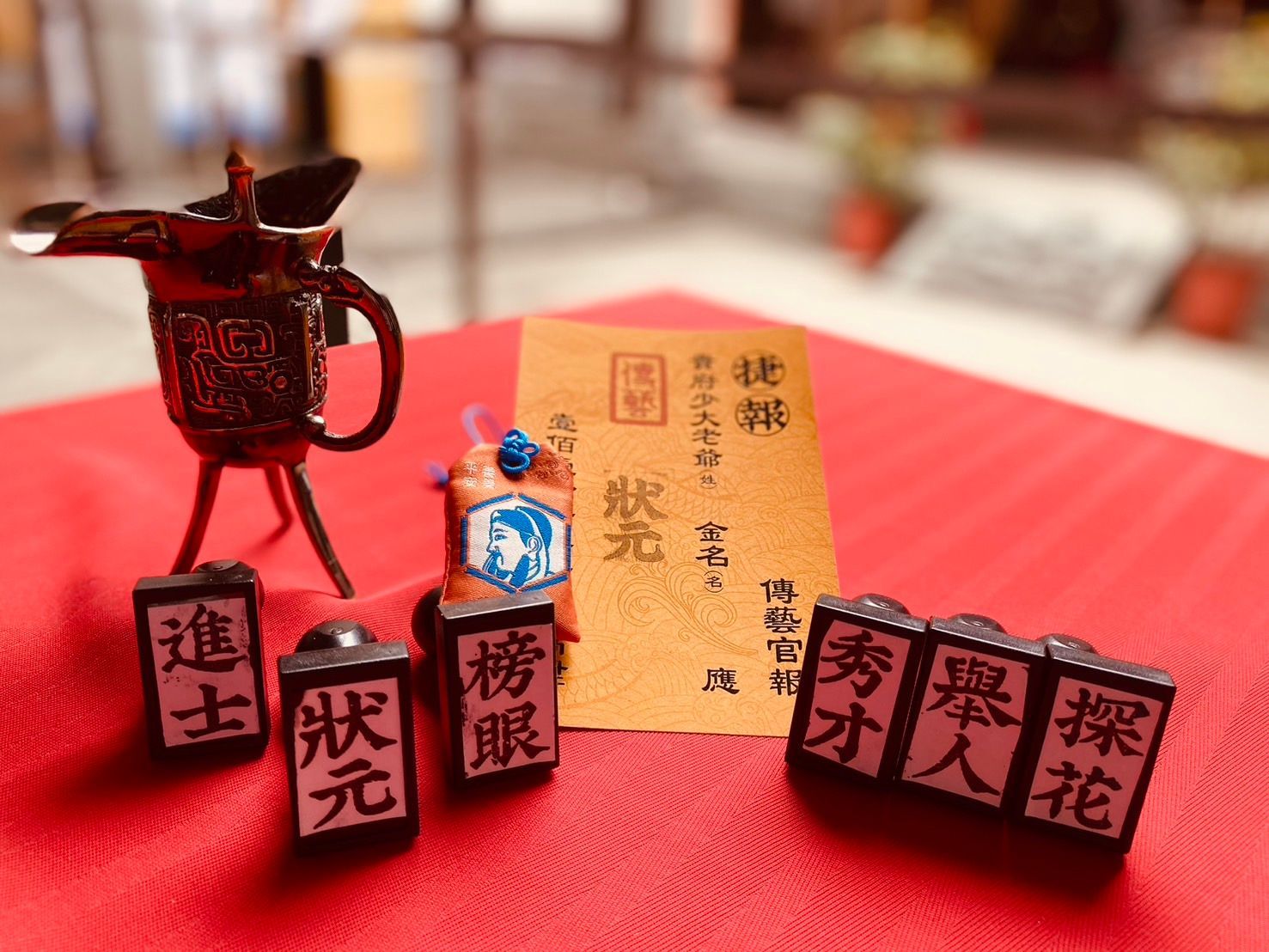
Learning Chinese and math together! Since ancient times, scholars have enjoyed playing these kinds of Chinese language games. Many Chinese idioms contain numbers; this story contains four of them:
- Serious
- Without saying a word
- In the middle of the night
- Home is where the world is.
Besides idioms, there are also couplets and poems. Not just among scholars, many idioms we use in daily life contain numbers. Try it with your child and see how many you can say or understand! Here are some more examples:
- Pentatomic Incompleteness
- Unfaithful to one's family
- Up and down
- Four directions and eight sides
- Nine deaths and one life
- Perfect
Using existing knowledge to learn new content, reviewing the old to learn the new, is the easiest way to learn. Each of these idioms contains two numbers.
5. Daily conversations involving family members
Parents can use idioms more often in their daily conversations at home, allowing children to gradually absorb them and integrate them into their lives. This also helps bridge the learning gap between school and home, enabling children to apply the idioms they've learned to everyday communication.
6. Idiom Story Creation
Parents can encourage their children to choose an idiom and write a short story about it. This creative activity can deepen their understanding of idioms while improving their creativity and writing skills. It's also a great way to cultivate a feel for idioms!
100 Four-Character Idioms Every Primary School Student Should Learn - Strengthening Reading Comprehension and Writing Skills
Learning idioms in a pleasant environment not only improves children's language skills but also helps them understand the practical application of idioms in daily life. Here are 100 commonly used four-character idioms for primary and secondary school students, covering themes such as time, learning, and personality.
Related article: A Complete Guide to Punctuation Marks! Master 16 Punctuation Marks at a Glance
Related Article: 🎯【Chinese Character Recognition Class】Learn Math × Learn Chinese, Kill Two Birds with One Stone!
50 commonly used four-character idioms that primary and secondary school students must learn
Four-character idioms commonly used to describe actions
01. The idiom "手舞足蹈" means to wave one's hands and feet, and to dance and jump.
02. The idiom "张牙舞爪" (zhāng yá wǔ zhuǎ) means to act arrogantly, wildly, and viciously.
03. The idiom "手忙脚乱" (shǒu máng jiǎo luàn) describes doing things in a flustered and disorganized manner.
04. The idiom "拳打脚踢" (quán dǎ jiǎo tī) describes a violent beating.
05. The idiom "指手画脚" (zhǐ shǒu huà jiǎo) means to gesture or gesticulate while speaking; it can also mean to point fingers, insult, or criticize.
Four-character idioms commonly used to describe a person's personality
06. The idiom "平易近人" (píng yì jìn rén) describes someone with a kind and approachable manner.
07. The idiom "沉静寡言" (chén jìng guǎ yán) describes a person who speaks very little.
08. The idiom "心浮气躁" (xīn fú qì zào) describes someone who is emotionally unstable and unable to remain calm.
09. The idiom "力争向上" (lì zhēng shàng xiàng) means to strive hard and make progress.
10. The idiom "斤斤计较" (jīn jīn jì jiào) describes someone who is stingy and preoccupied with gains and losses.
Commonly used four-character idioms related to time
11. The idiom "千金一刻" (qiān jīn yī kè) means that time is extremely precious.
12. The idiom "分秒必争" (fēn miǎo bì zhēng) means to seize every second to do something.
13. The idiom "日上三竿" (rì shàng sān gān) describes someone getting up very late.
14. The idiom "日积月累" (rì jī yuè lěi) describes the accumulation of knowledge over a long period of time.
15. The idiom "光阴似箭" (guāng yīn sì jiàn) describes how quickly time flies.
Commonly used four-character idioms describing body shape
16. The idiom "tiger's back and bear's waist" describes a person's imposing physique.
17. The idiom "瘦骨嶙峋" (shòu gǔ lín xún) describes a person's body as thin and bony, with prominent bones.
18. The idiom "高头大马" (gāo tóu dà mǎ) describes a person as tall and strong.
19. The idiom "大腹便便" (dà fù biàn biàn) describes a woman with a large, protruding belly; it can also describe a pregnant woman.
20. The idiom "娇小玲珑" (jiāo xiǎo líng lóng) describes someone who is petite, agile, and adorable.
Related Article: [Addition and Subtraction Practice] Amazing Math Games Make Children Love Addition and Subtraction and Master Number Patterns
Related Articles: [Easter Family Games] The Secret to Making Kids Love Math | 7 Super Simple Math Puzzles for Easter | Party Game Guide
Commonly used four-character idioms describing sadness
21. The idiom "没精打彩" (méi jīng dǎ cǎi) describes a state of low spirits and lack of enthusiasm.
22. The idiom "悲从中来" (bēi cóng zhōng lái) describes sorrow that arises from the depths of one's heart.
23. The idiom "肝肠寸断" (gān cháng cùn duàn) means to be extremely sad.
24. The idiom "愁眉不展" (chóu méi bù zhǎn) describes a person with furrowed brows and a worried expression.
25. The idiom "提心吊胆" (tí xīn diào dǎn) describes a state of deep worry and fear, making it difficult to calm down.
Commonly used four-character idioms describing size and quantity
26. The idiom "聚沙成塔" (jù shā chéng tǎ) means that little by little, a great deal can be achieved.
27. The idiom "tens of thousands" describes a very large quantity.
28. The idiom "层出不穷" (céng chū bù qióng) means to appear one after another.
29. The idiom "顶天立地" (dǐng tiān lì dì) describes an elephant as tall and imposing, and is used metaphorically to describe a person of great stature and heroic spirit.
30. The idiom "屈指可数" (qū zhǐ kě shù) describes a very small quantity.
Commonly used four-character idioms describing friendship
31. The idiom "志同道合" means that people share the same interests and ideals.
32. The idiom "一见如故" (yī jiàn rú gù) means to get along well with someone upon first meeting, like old friends.
33. The idiom "莫逆之交" (mò nì zhī jiāo) refers to close friends who share the same ideals and feelings.
34. The idiom "萍水相逢" (píng shuǐ xiāng féng) is used to describe two people who were originally strangers but met by chance; it also refers to a shallow friendship.
35. The idiom "惺惺相惜" (xīng xīng xiāng xī) refers to people with similar personalities, interests, and circumstances who cherish, sympathize with, and support each other.
Four-character idioms describing results (traditional Chinese characters)
36. The idiom "The Foolish Old Man Who Moved Mountains" is a metaphor for how persistent effort can eventually lead to the achievement of a goal.
37. The idiom "苦尽甘来" (kǔ jìn gān lái) means that things gradually improve and become better.
38. The idiom "喜出望外" (xǐ chū wàng wài) describes feeling overjoyed by something unexpected.
39. The idiom "extreme joy begets sorrow" means that when one is extremely happy, something sad happens.
40. The idiom "一败涂地" (yī bài tú dì) describes a complete and utter defeat, where the situation is beyond repair.
Related Articles: [Why is Easter different every year?] Fun for the whole family! A collection of Easter activities to keep kids entertained and learning!
Related article: [English Phonics] 5 Essential Things Children Must Know Before Learning Phonics
Four-character idioms describing learning (in traditional Chinese characters)
41. The idiom "好学不倦" (hǎo xué bù juàn) describes someone who loves learning.
42. The idiom "一知半解" (yī zhī bàn jiě) means to have a superficial understanding or knowledge of something.
43. The idiom "学库五车" (xué kù wǔ chē) describes a person as having extensive knowledge.
44. The idiom "reading ten lines at a glance" describes a very fast reading speed.
45. The idiom "a frog in a well" is used to describe someone with a narrow perspective or limited knowledge.
Four-character idioms describing colors (traditional Chinese characters)
46. The idiom "万紫千红" (wàn zǐ qiān hóng) describes a profusion of flowers in full bloom, displaying vibrant colors.
47. The idiom "姹紫嫣红" (chà zǐ yān hóng) describes flowers blooming brightly and beautifully.
48. The idiom "一碧千里" means that as far as the eye can see, everything is green.
49. The idiom "光彩夺目" (guāngcǎi duómù) describes colors that are bright and dazzling.
50. The idiom "黑白分明" (hái bēi fēn míng) describes a clear distinction between black and white, and is used metaphorically to describe a clear boundary between right and wrong.
Four-character idioms describing crying (in traditional Chinese characters)
51. The idiom "热泪盈眸" (rè lèi yíng móu) describes being so moved that one's eyes are filled with tears.
52. The idiom "声泪俱下" (shēng lèi jù xià) means to speak while crying, describing extreme sadness and excitement.
53. The idiom "tears falling like rain" means that tears fall as if rain is falling, describing extreme sadness.
54. The idiom "嚎啕大哭" (háo tōu dà kū) means to cry loudly.
55. The idiom "欲哭无泪" (yù kū wú lèi) means wanting to cry but being unable to, and is a metaphor for extreme grief or helplessness.
Four-character idioms describing fear (in traditional Chinese characters)
56. The idiom "六神无主" (liù shén wú zhǔ) describes a state of panic and indecision.
57. The idiom "不寒而栗" (bù hán ér lì) describes feeling extremely fearful.
58. The idiom "人心惶惶" (rén xīn huáng huáng) describes a state of panic and unease among the people.
59. The idiom "a bird startled by the twang of a bow" describes someone who has been traumatized or frightened, and is easily frightened by the slightest disturbance.
60. The idiom "提心吊胆" (tí xīn diào dǎn) describes a state of deep worry and fear, making it difficult to calm down.
Four-character idioms describing feelings (Hong Kong)
61. The idiom "迫不及待" (pò bù jí dài) describes a feeling of eagerness and impatience, an unwillingness to wait.
62. The idiom "眉开眼笑" (méi kāi yǎn xiào) describes a joyful and happy appearance.
63. The idiom "一蹶不振" (yī jué bù zhèn) means to be unable to recover after suffering a setback.
64. The idiom "忐忑不安" (tǎntè bù'ān) describes a state of unease or anxiety.
65. The idiom "六神无主" (liù shén wú zhǔ) describes a state of panic and confusion, where one is at a loss for what to do.
Four-character idioms describing appearance (Hong Kong)
66. The idiom "thick eyebrows and big eyes" describes a person with distinct features and a heroic air.
67. The idiom "獐头鼠目" (zhāng tóu shǔ mù) describes a person with a despicable and unpleasant appearance.
68. The idiom "明眸皓齿" (míng móu hào chǐ) means bright eyes and white teeth; it describes a woman's beautiful appearance.
69. The idiom "梨颊微涡" (lí jiá wēi wō) describes a woman's charming and lovely smile.
70. The idiom "朱颜粉面" (zhū yán fěn miàn) describes a woman who has applied makeup.
Four-character idioms describing interpersonal interactions (Hong Kong)
71. The idiom "不拘小节" (bù jū xiǎo jié) means not being bound by the details of life.
72. The idiom "宅心仁厚" means to be kind and benevolent.
73. The idiom "见义勇为" means to bravely do what is right when you see it.
74. The idiom "目中无人" (mù zhōng wú rén) describes someone who is arrogant and conceited.
75. The idiom "斤斤计较" (jīn jīn jì jiào) describes someone who is stingy and preoccupied with gains and losses.
Four-character idioms describing listening (Hong Kong)
76. The idiom "耳濡目染" (ěr rú mù rǎn) means to be deeply influenced by what one hears or sees frequently.
77. The idiom "交头接耳" (jiāo tóu jiē ěr) describes whispering or talking in hushed tones.
78. The idiom "to cover one's ears while stealing a bell" means to try to deceive others, but in the end, one is only deceiving oneself.
79. The idiom "充耳不闻" means to plug one's ears and pretend not to hear.
80. The idiom "言犹在耳" means that words spoken still echo in one's ears.
Four-character idioms describing speech (Hong Kong)
81. The idiom "滔滔不绝" (tāo tāo bù jué) describes someone speaking continuously.
82. The idiom "娓娓动听" (wěi wěi dòng tīng) describes speech that is vivid and pleasant to listen to.
83. The idiom "自言自语" means to talk to oneself.
84. The idiom "一派胡言" (yī pài hú yán) means confused and illogical statements.
85. The idiom "说三道四" means to criticize or discuss something indiscriminately.
Four-character idioms describing a person's expression (Hong Kong)
86. The idiom "微笑可掬" (xiào wēi kě jù) describes a face full of smiles.
87. The idiom "容光焕发" (róng guāng huàn fā) describes a state of being full of energy and vitality.
88. The idiom "一本正经" (yī běn zhèng jīng) describes a person's serious and earnest attitude.
89. The idiom "怒发冲冠" describes a state of extreme anger.
90. The idiom "愁眉不展" (chóumé bùzhǎn) describes someone who is preoccupied and troubled.
Idioms describing space
91. The idiom "无边无垠" (wú biān wú yín) describes a vast area.
92. The idiom "弹丸之地" (tán wán zhī dì) means a small, insignificant place.
93. The idiom "一览无遗" (yī lǎn wú yí) describes a wide and unobstructed view.
94. The idiom "天南地北" (tiān nán dì běi) means "from all directions, far apart" or "from all corners of the world."
95. The idiom "隐天蔽日" (yǐn tiān bì rì) describes a vast area covered by something.
Idioms describing seasons
96. The idiom "春意盎然" (chūn yì àng rán) describes the vibrant and full-bodied beauty of spring.
97. The idiom "挥汗如雨" (huī hàn rú yǔ) describes sweating profusely in hot weather.
98. The idiom "冰天雪地" (bīng tiān xuě dì) describes a place covered in ice and snow.
99. The idiom "春回大地" (chūn huí dà dì) describes the passing of winter and the return of warmth and vitality to the world.
100. The idiom "鸟语花香" (niǎo yǔ huā xiāng) describes the beautiful scenery of spring.
Traditional Chinese four-character idioms Powered by AME
Other articles:
- What is Olympiad Math? Why are more and more parents having their children learn Olympiad Math? | Understand the benefits of Olympiad Math, the appropriate age to start, and Olympiad Math courses.
- 🎯 Abacus Mental Arithmetic vs. Olympiad Math vs. Early Childhood Math Game-Based Courses | A Must-Read Comparison Guide for Parents 🎯 Which Early Childhood Math Class is Best? A Comprehensive Analysis of Game-Based Early Childhood Math Courses (A Must-Read for Parents)
- What is number sense? A must-read for parents: 5 practical methods number sense games to easily improve children's math skills.
- 🎯Is a good location for a preschool math class? A comprehensive analysis of game-based preschool math courses (a must-read for parents)
- 🚀 Aryanna, a gifted girl who won the top score in North America at the age of 3?
- What is English math? Understand the benefits of English math all at once A complete guide to elementary school English math problems and exercises 🧠✏️
- International School Math | Hong Kong's Only English-Language Math Olympiad
- 🌟Brendan's Path to Mathematical Breakthrough at Harrow Hong Kong International School: The Key to Talent and Development
- [Olympiad Math Problems] Free download of Olympiad Math problems video explanations | Free Olympiad Math problems for grades 1-5
- [Parent-Child IQ Quiz] 2026 Children's IQ Quiz | Elementary School IQ Quiz High-Difficulty IQ Quiz, to Test Kids' Right Brain!
- How does a child do math well? 5 tricks to help him improve his number sense and strengthen his foundation