
🎯Is a good location for a preschool math class? A comprehensive analysis of game-based preschool math courses (a must-read for parents)
Publication date: 19/02/2026
When many parents mention early childhood math, the first thing that comes to mind is:
❌ Multi-digit addition and subtraction ❌ Memorizing multiplication tables ❌ Extensive practice
However, educational research has long pointed out that premature rote learning is not only inefficient but may also stifle a child's interest in mathematics.
If you're looking for a good place to learn math, this article will help you see what a truly effective early childhood math class should look like.
🧠Early Childhood Math Concepts: What Do Children Really Need to Learn?
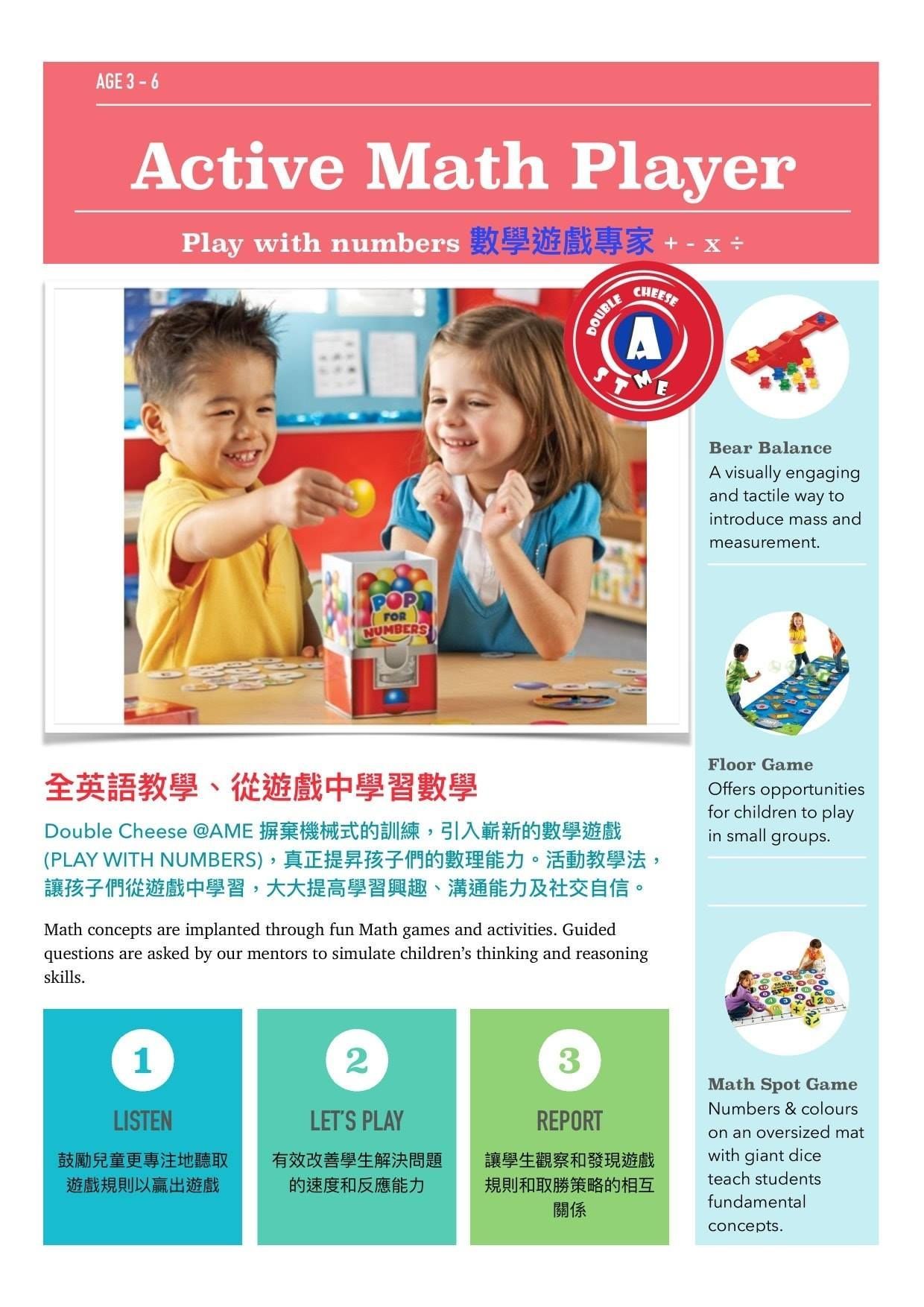
Professional early childhood math courses never focus on calculation, but rather on building a complete set of mathematical concepts for young children, including:
✅ Number and Quantity ✅ Patterns and Logic ✅ Measurement and Time ✅ Spatial Perception ✅ Understanding Mathematical Stories
Once a solid foundation in concepts is established, children can easily transition to either in-school math or early childhood math olympiad classes.
🎮The key to early childhood math interest classes: stimulating the brain through games.
High-quality early childhood math enrichment classes transform abstract concepts into experiential games.
For example, when learning about Place Value:
📚 Traditional teaching method: Explaining the tens and units digits → Children seem to understand but not quite 🎯 Game-based teaching method: Battle Ship math game → Completely mastered in minutes
When a child is focused on calculating how to "sink the opponent":
✨ Improved focus naturally ✨ Significantly faster comprehension speed ✨ Deeper memory retention
This is the magic of learning through games.
🚨The Myth of Traditional Training: Effort Does Not Equal Effectiveness
Many parents, influenced by interview pressure, make demands on their children too early:
- Crazy Calculation
- Back of watch in advance
- Doing the questions repeatedly
However, many primary schools that emphasize mathematics and science (such as direct subsidy or private schools) now place more emphasis on the following in their interviews:
👉 Working Backward 👉 Logical Reasoning 👉 Problem Solving Ability
When children are only proficient in calculations but lack flexibility in thinking, they are easily "stuck" in interviews or when faced with new types of questions.
💪More than just math: Boost confidence and social skills simultaneously
In professional early childhood math classes, children will also experience additional growth:
🌟Enhance expression and confidence
The teacher explained in English and encouraged the children:
- Explain why you won.
- Share problem-solving strategies
- Explain the method to classmates
The child gradually builds confidence that "I can do it".
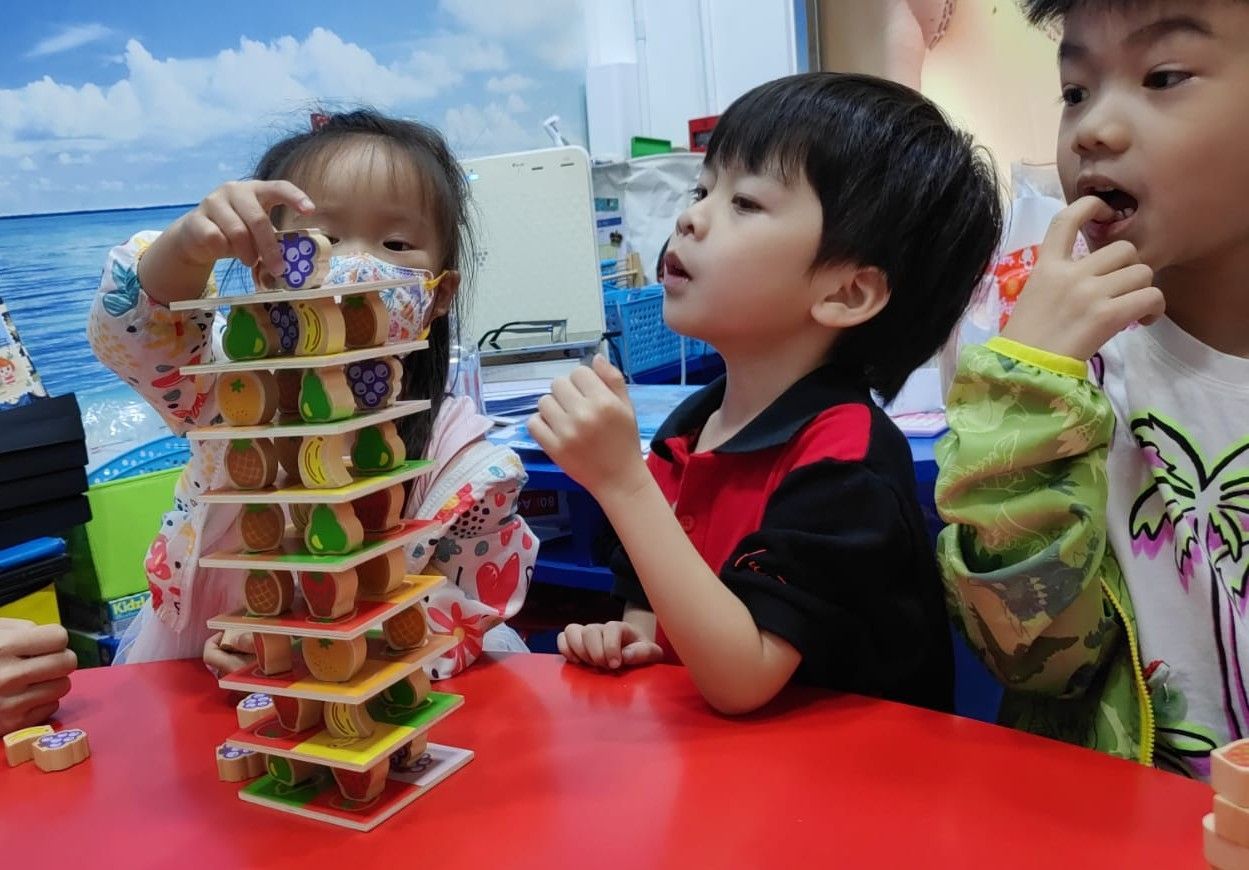
🤝Learn to cope with winning and losing (emotional education)
Through group math games, children can:
- Feel the joy of victory
- Learning to accept defeat
- Building resilience
These abilities have a greater impact on long-term learning than simple calculation.
🧩Avoid rigid thinking: Paving the way for future math olympiads
Many people believe that constant practice will make children smarter, but the truth is quite the opposite.
Excessive repetitive calculations can easily cause children to:
❌ Rigid thinking ❌ Fear of new question types ❌ Lack of flexibility in problem-solving
Truly high-quality courses will gradually transition to early childhood math olympiad thinking training only after the concepts are clearly understood.
📚What should a high-quality early childhood math textbook possess?
Professional early childhood math textbooks should stimulate the development of both hemispheres of the brain simultaneously, including:
✅ Basic Arithmetic ✅ Logical Reasoning ✅ Simple Chart Reading ✅ Spatial Concept Training ✅ Contextual Math Stories
Instead of just pages and pages of calculation paper.
📝Having a systematic approach ≠ Pure fun: The true value of professional courses
Many parents ask:
🤔 What's the difference between this and YouTube or a regular Playgroup?
Truly high-quality preschool math classes have three main characteristics:
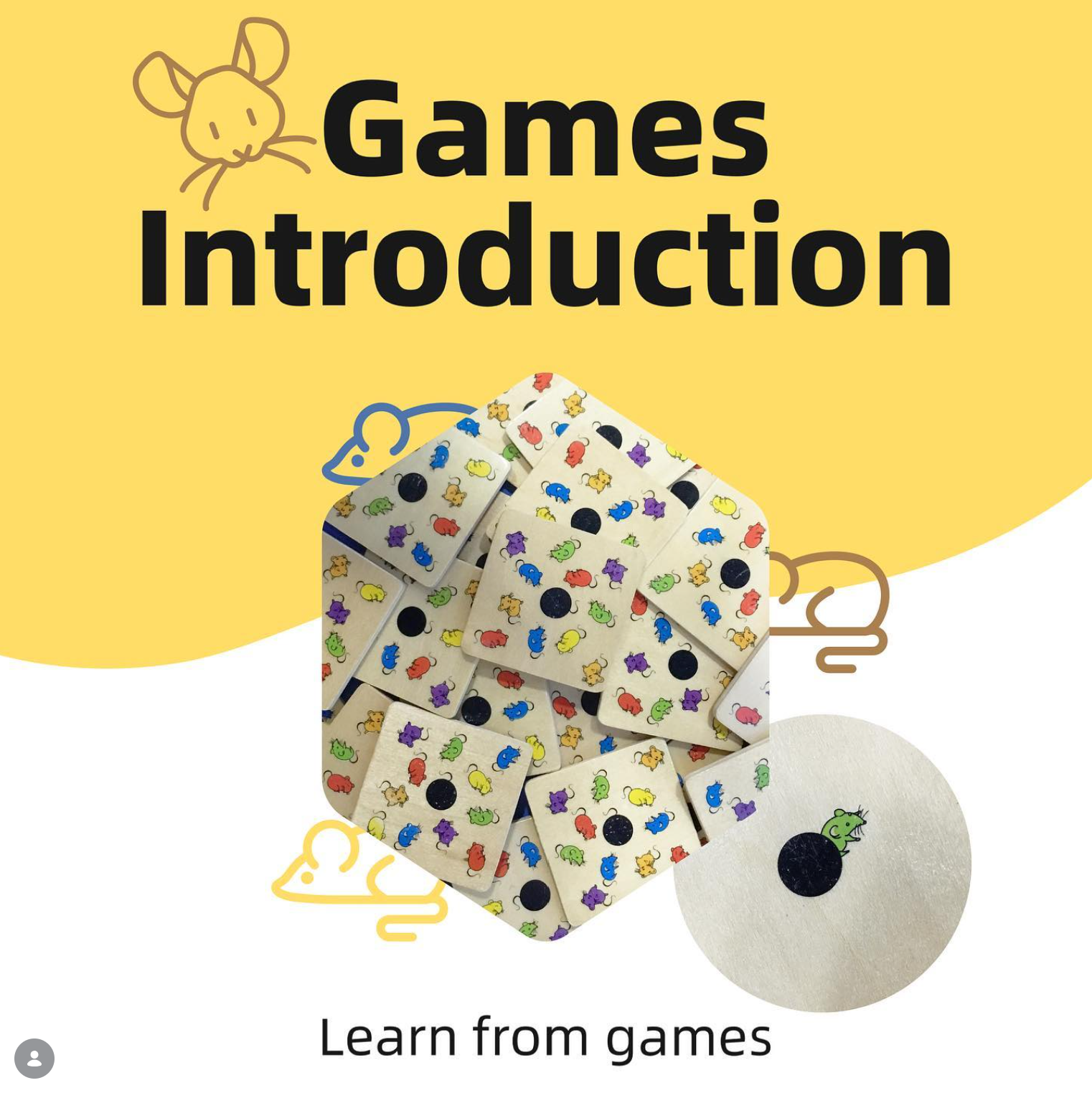
✔️ Clear learning objectives within the game ✔️ Use of systematic American-style teaching materials ✔️ Continuous mini-assessments in class to track progress
Children learn through play, not just play without learning.
🎁 Download preschool math practice exercises
Parents are advised to schedule regular activities:
- Short Math Games
- Contextualized Problem Solving
- Parent-child math stories
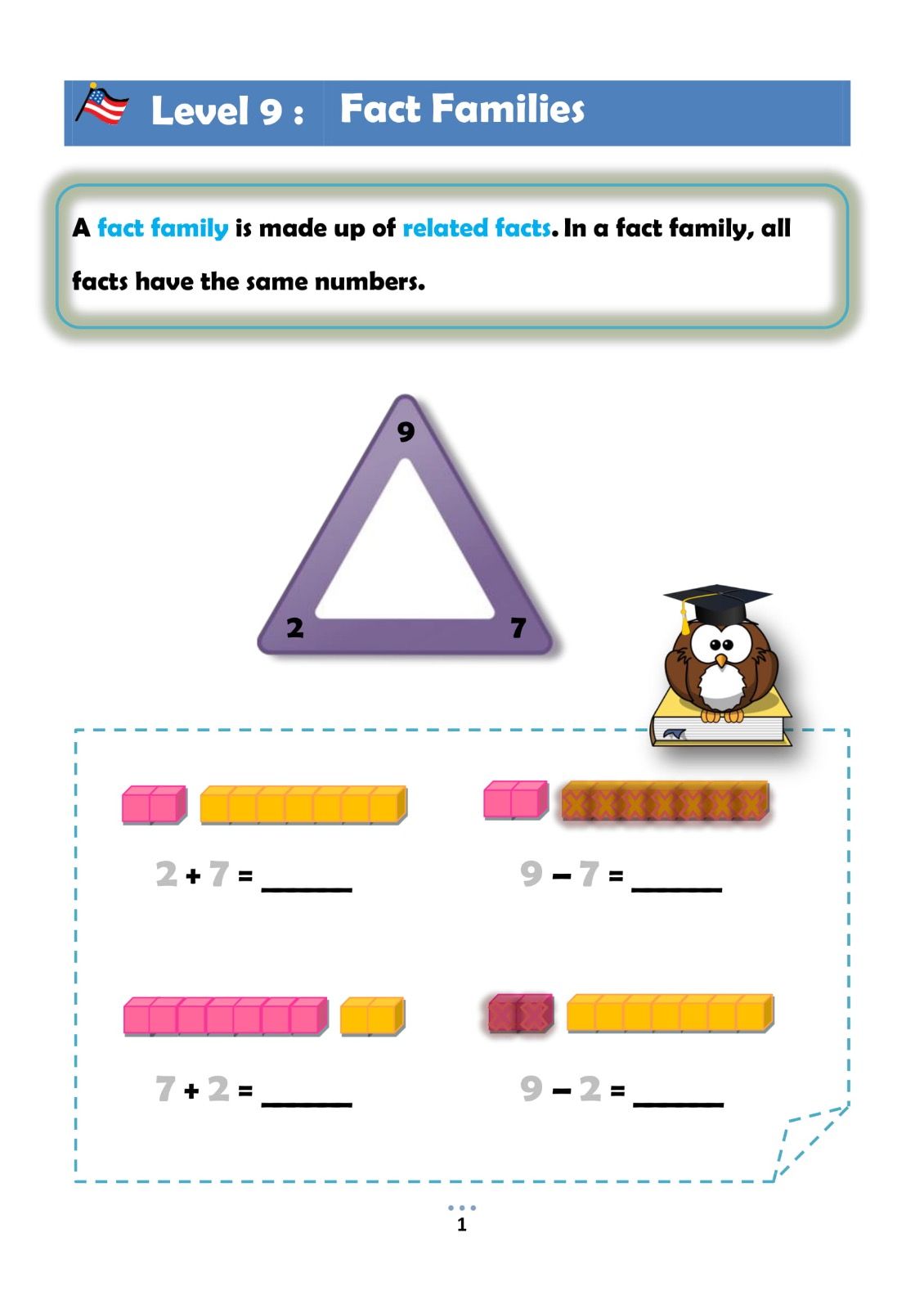
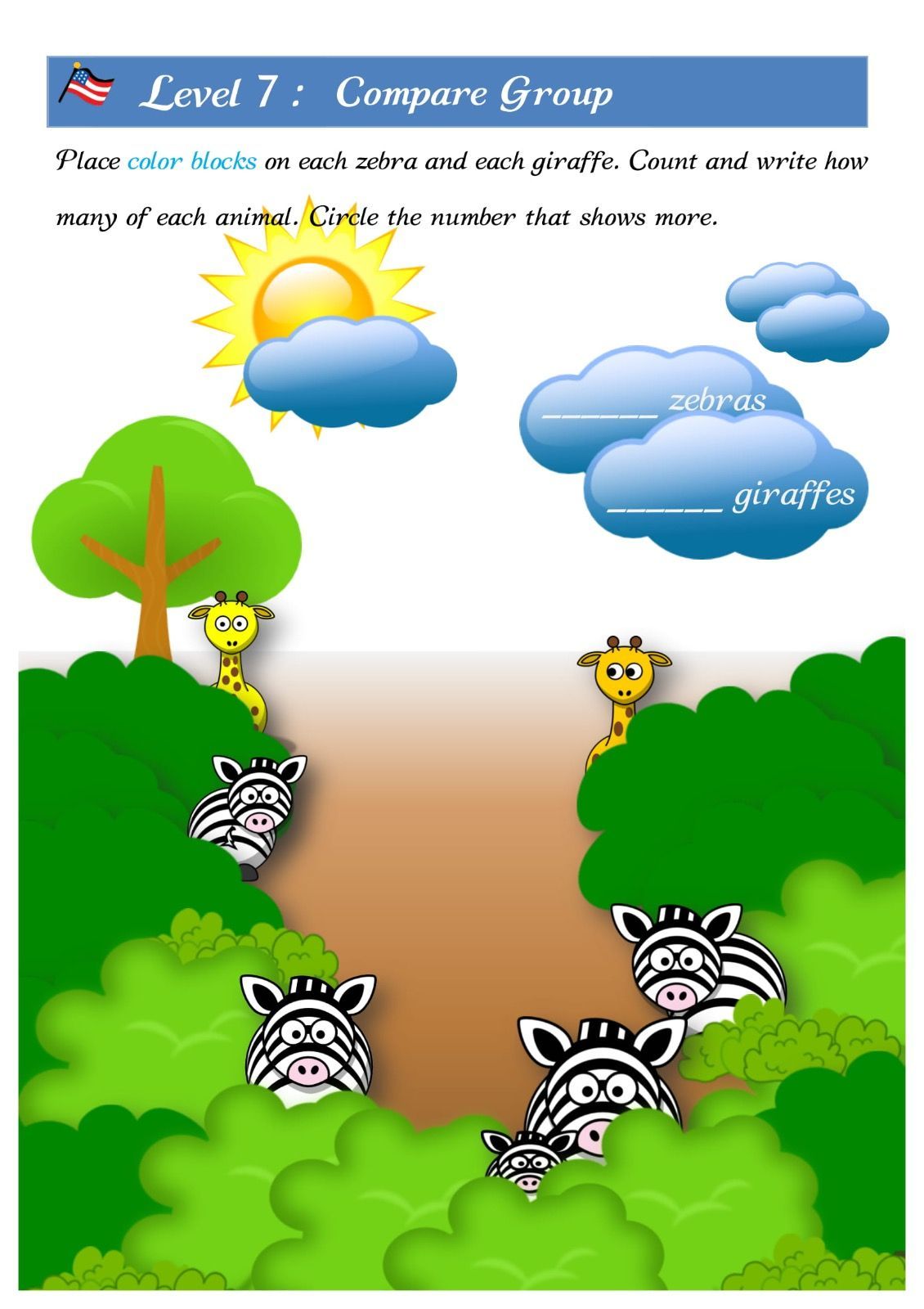
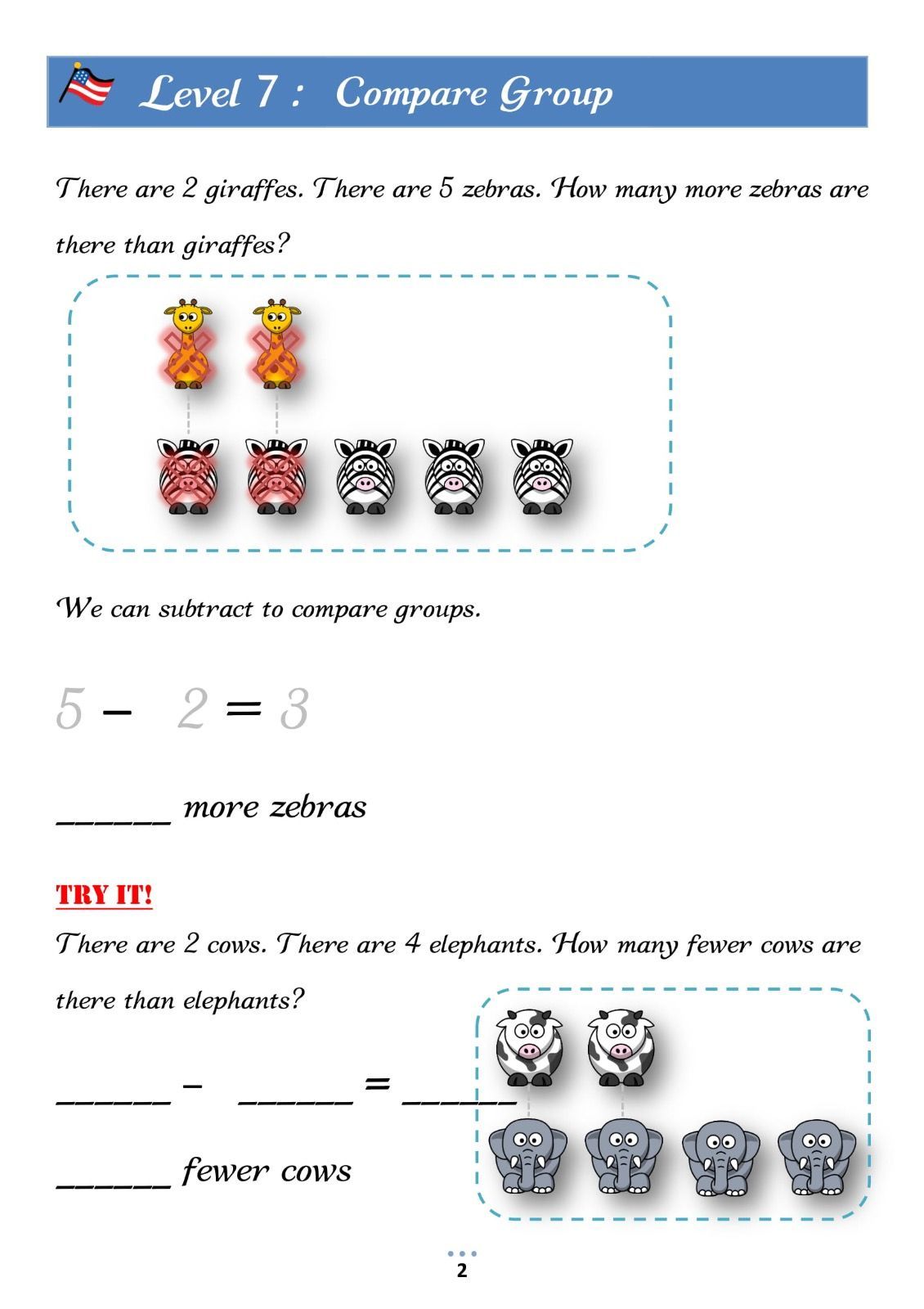
🏆Summary: Choosing the right early childhood math class is more important than starting calculations early.
Instead of forcing the grain to ripen prematurely, it would be better to:
✅ Build a solid foundation in early childhood math concepts ✅ Cultivate interest in mathematics ✅ Develop problem-solving skills ✅ Build confidence in learning
Related Article: [Olympiad Math Problems] Free Download of Olympiad Math Practice Problems Detailed Video Explanations (Part 1)
Related Article: [Olympiad Math Problems] Free Download of Olympiad Math Practice Problems Detailed Video Explanations (Part 2)
Related article: STEM Education: The Key to Giving Your Child a Head Start (Suitable for ages 4.5-12)
Powered by AME
Jim had some colorful balloons.
Three of them exploded.
Later, his mother gave him two more.
He now has 7 balloons.
Question: How many balloons did Jim originally have?
Problem-solving approach
First understand the question
- There were originally ? balloons
- Exploding 3 → Reduce by 3
- Mom gave 2 → Add 2
- There were 7 left in the end.
Therefore, the equation is:
? 2 - 3 = 7
Working Backward Method
We start with the "result" and work backwards. It's like reversing addition and subtraction: 7 - 2 3 = 8
result
Jim originally had 8 balloons.
Other articles:
🧠 What is number sense? Why do some children learn math so quickly?
👶📚 Early childhood math is more than just "counting"!
🧠 At what age should parents start learning advanced math? Many parents are actually asking the wrong question.
🧩 Can kindergarteners take on advanced math challenges? Try these K2 & K3 advanced math problems!
🧮 Abacus Mental Arithmetic vs. Olympiad Math vs. Early Childhood Math Courses | The Most Common Mistake Parents Make